Websites, apps and systems — built by the team that designed them
From a five-page company site to a multi-tenant platform with payments and an operator console. We build on Next.js, Supabase and mobile-native stacks, and we run what we ship.
Websites, apps and systems — built by the team that designed them
From a five-page company site to a multi-tenant platform with payments and an operator console. We build on Next.js, Supabase and mobile-native stacks, and we run what we ship.
For businesses that need more than a brochure site — a platform, a store, an app or an internal tool — and want one team to design it, build it and keep it running. Malaysia and Singapore, in English and Chinese.
01
The right build for the job
01
Websites
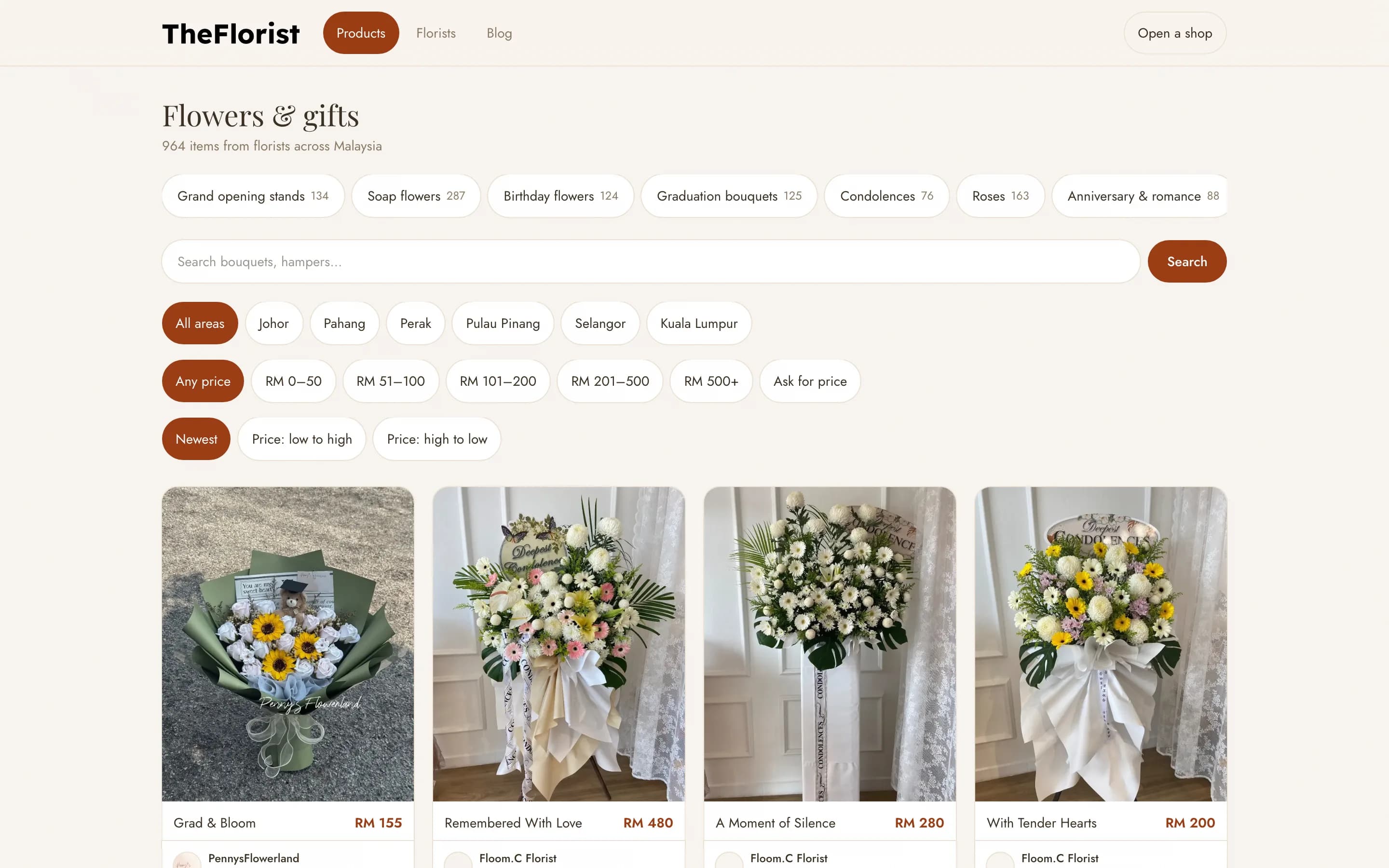
A company website is the page a customer, partner or search engine lands on first — we build it bilingual, structured for search and fast on a phone.
Company sites — bilingual, SEO-structured, fast.
Bilingual EN/中文 site with hreflang
Structured data and sitemap
Performance and accessibility pass
+How we do it
We build on Next.js with static rendering by default, so pages load fast and stay up without a server to babysit. Search structure is not a later pass: routed English and Chinese URLs with hreflang, structured data, a sitemap and clean metadata ship with the first release. Every site goes through a performance and accessibility check on real devices before launch, and comes with a custom admin so your team publishes without us.
02
Mobile apps
Mobile apps built from one codebase ship to iOS and Android together, sharing a backend and admin with the web product.
iOS and Android from one codebase, with the backend.
iOS + Android apps
Shared backend and admin
App Store / Play Store submission
+How we do it
One system, three surfaces: the same accounts, payments and content power the website and both apps, so nothing is entered twice or reconciled later. We handle App Store and Play Store submission, including the policy pages and child-safety standards the stores now require, and we build the operator console that runs the platform behind the scenes. You launch on every surface your audience actually uses, on the same day.
03
E-commerce & storefronts
E-commerce for us means catalogue, checkout and payment built for how your customers actually buy — including checkouts that end in a WhatsApp message instead of a card form.
Catalogue, checkout and payments — Stripe and local rails.
Catalogue with variations
Checkout with Stripe / FPX / e-wallets
Order and inventory admin
+How we do it
We connect Stripe for cards and subscriptions and Malaysian rails such as FPX and e-wallets where the audience needs them, with signed, idempotent webhooks verified in live mode before launch. Catalogues carry variations, pricing rules and inventory; the admin handles orders, stock and customers. Where buyers close in chat, the cart becomes a structured, numbered WhatsApp order that is also recorded on the platform.
04
Portals & internal systems
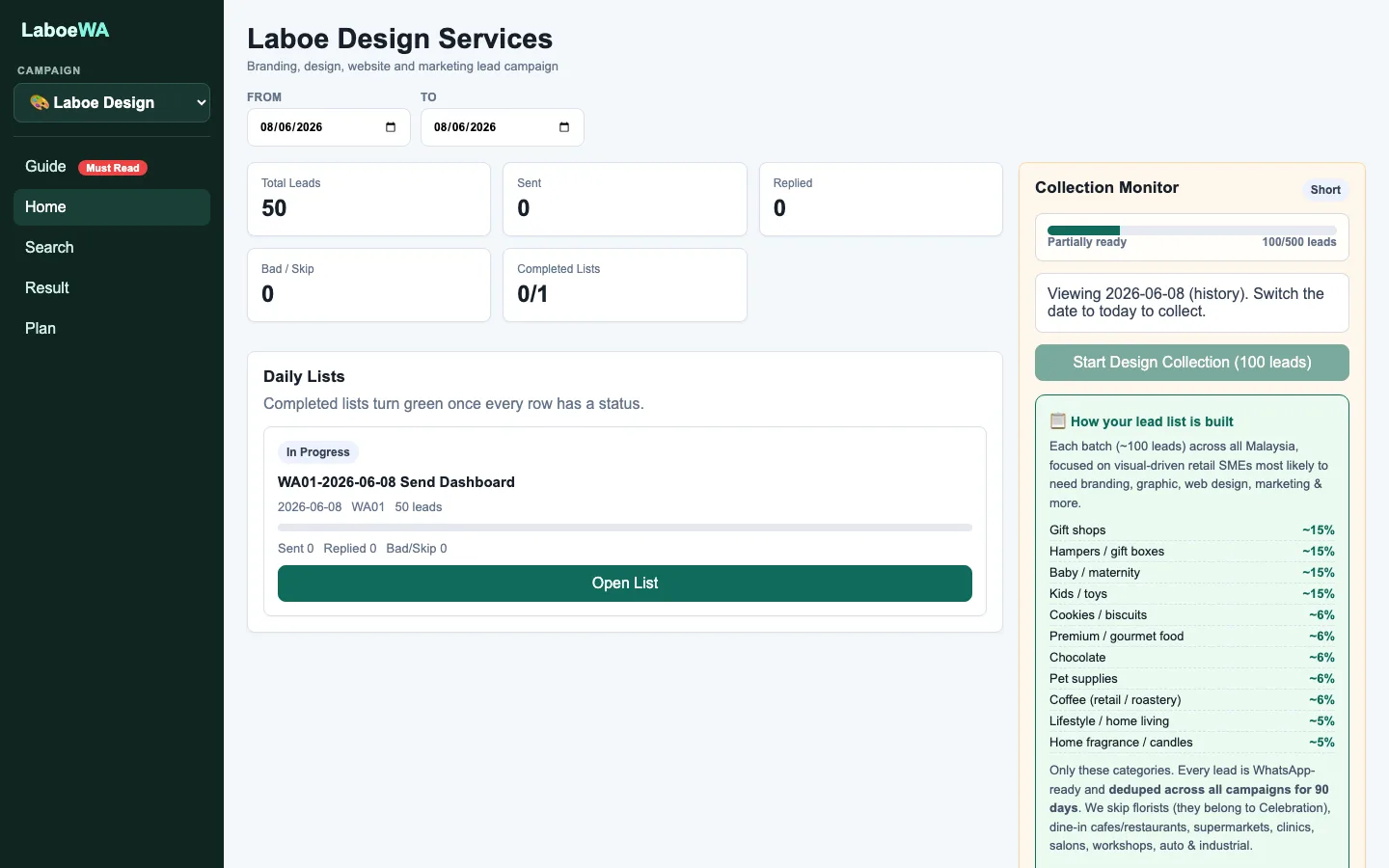
Portals and internal systems are the software your team runs the business on — dashboards, approvals, role-based access and an audit trail for every action.
We design for the people who will use it eight hours a day: clear roles, approval flows that match how decisions are actually made, and reporting that answers the question someone is asking. Multi-tenant systems get hard data isolation — row-level security, default-deny — and are attack-tested before go-live. Money-moving flows are reconciled and every state change is logged, so finance and compliance can trace what happened.
05
AI automation
AI automation removes the manual steps between your systems — the copy-paste, the re-keying, the daily report someone assembles by hand.
Workflows, agents and tooling that remove manual work.
Workflow automation
AI agents on your data
Internal tooling and integrations
+How we do it
We scope each automation around one concrete task with a measurable output, then build it into your existing tools rather than adding another dashboard. That can be a workflow that moves data between systems on a schedule, an agent that answers questions from your own documents, or a translation layer inside a live product. We are explicit about where a model is reliable and where a human stays in the loop.
02
From a clear scope to a usable product
01
Scope
User needs, content, technical requirements and what success has to look like. We write it down as a scope you can hold us to — pages, flows, integrations, and what is explicitly out.
02
Prototype
Validate the interaction, layout and technical approach before the full build. You click through the real flow on a phone and a laptop, and we prove the risky integration works before anything else is written.
03
Build
Develop the production experience and connect the systems it depends on — payments, auth, content, third-party APIs. You follow progress on a live preview URL, not in a slide.
04
Test
Performance, responsive behaviour, accessibility, and real browsers and devices. Automated end-to-end tests cover the flows that matter, and payment flows are verified in live mode before go-live.
05
Launch
Deploy, monitor and support the live experience. We run what we ship — the same stack powers our own platforms, so we know what breaks in production and fix it before you notice.
03
Built by the team that designed it
The most expensive mistakes in software happen at the hand-off: a design that cannot be built as drawn, a checkout the marketing team cannot track, a CMS nobody uses. Our designers and developers are one team, so decisions about content, interface, interaction, performance and delivery are made together and stay connected. The demonstration below is that argument: five layers of one product, each restating the same system.
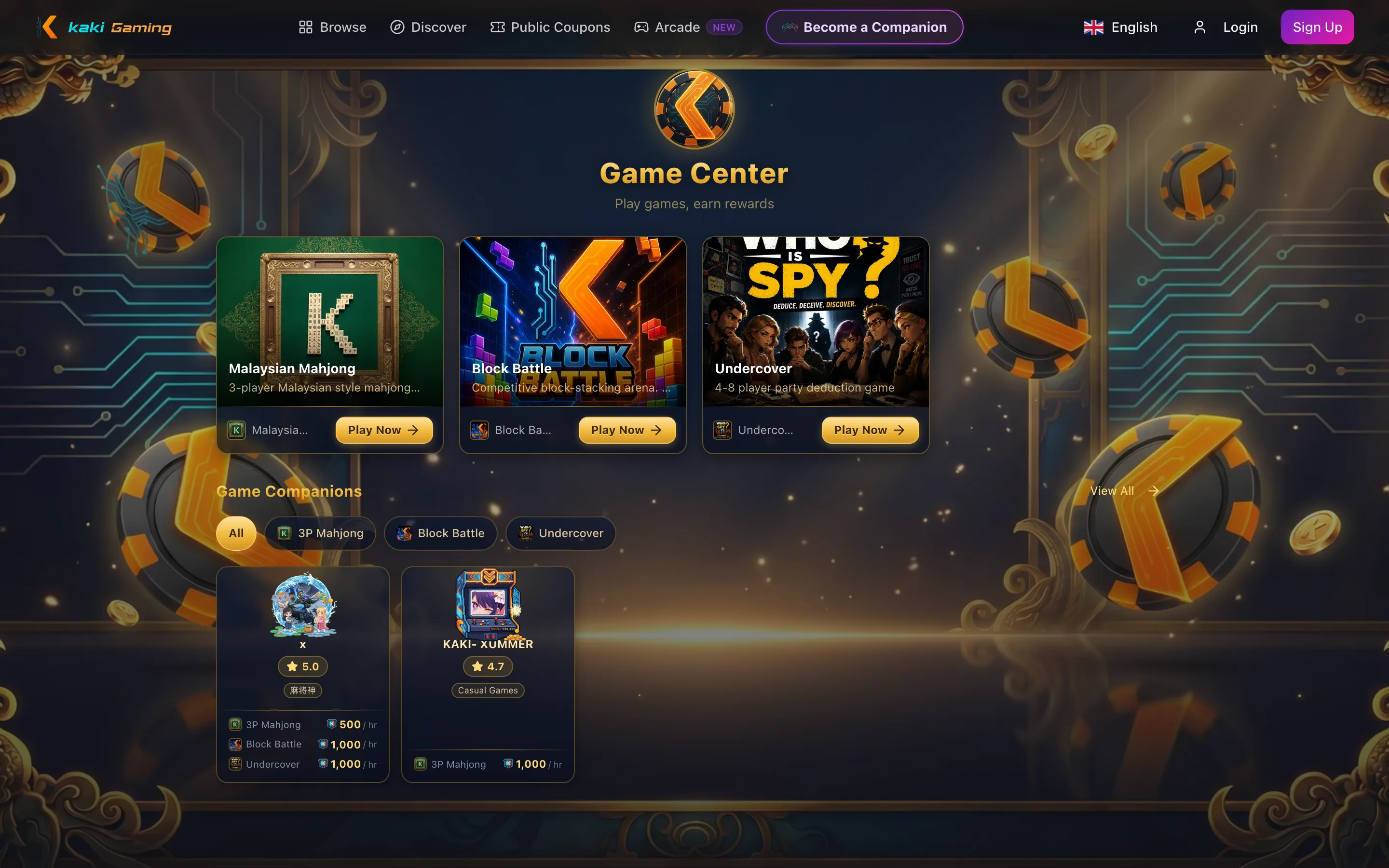
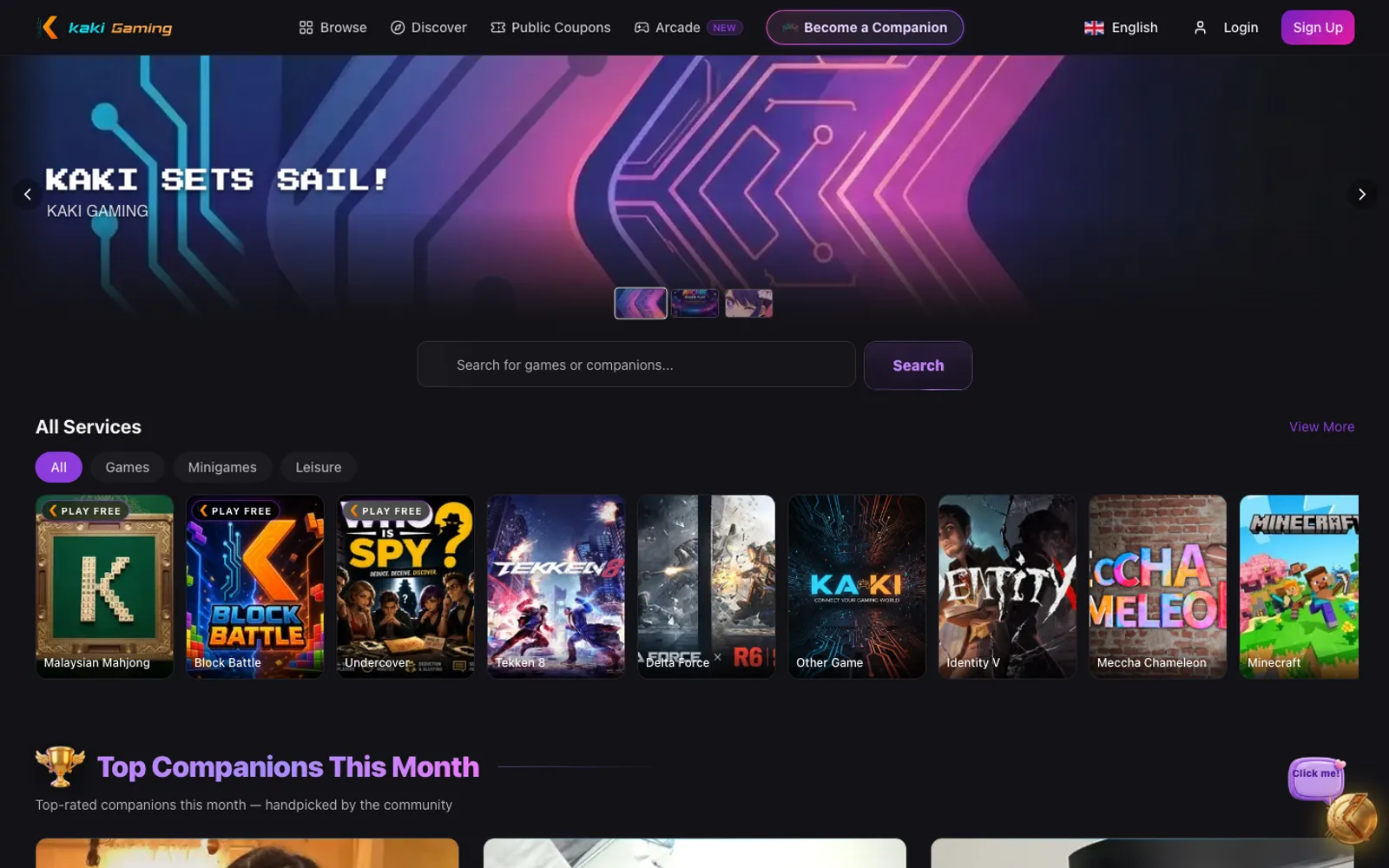
01 Kaki Gaming · Desktop
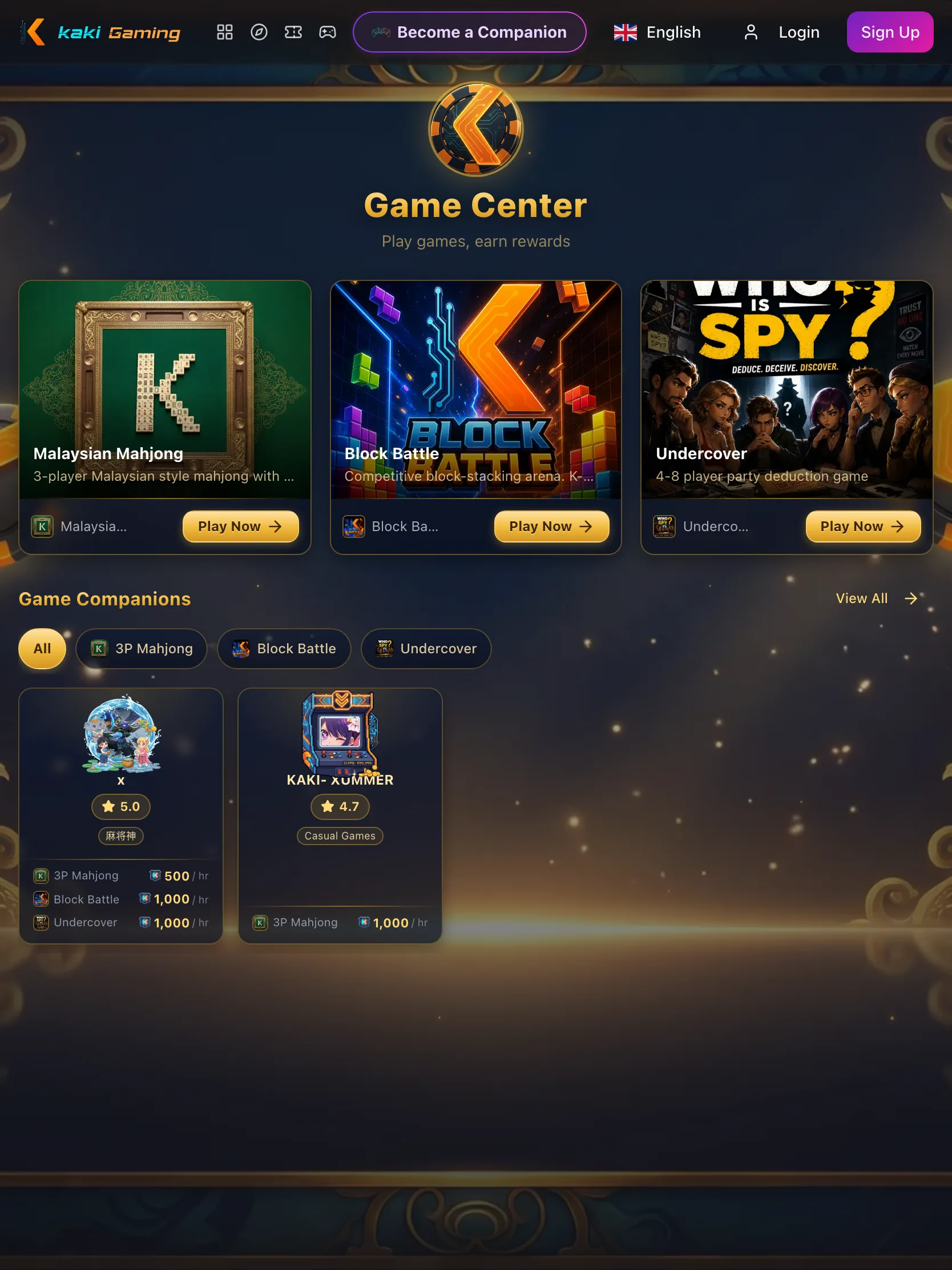
02 Kaki Gaming · Tablet
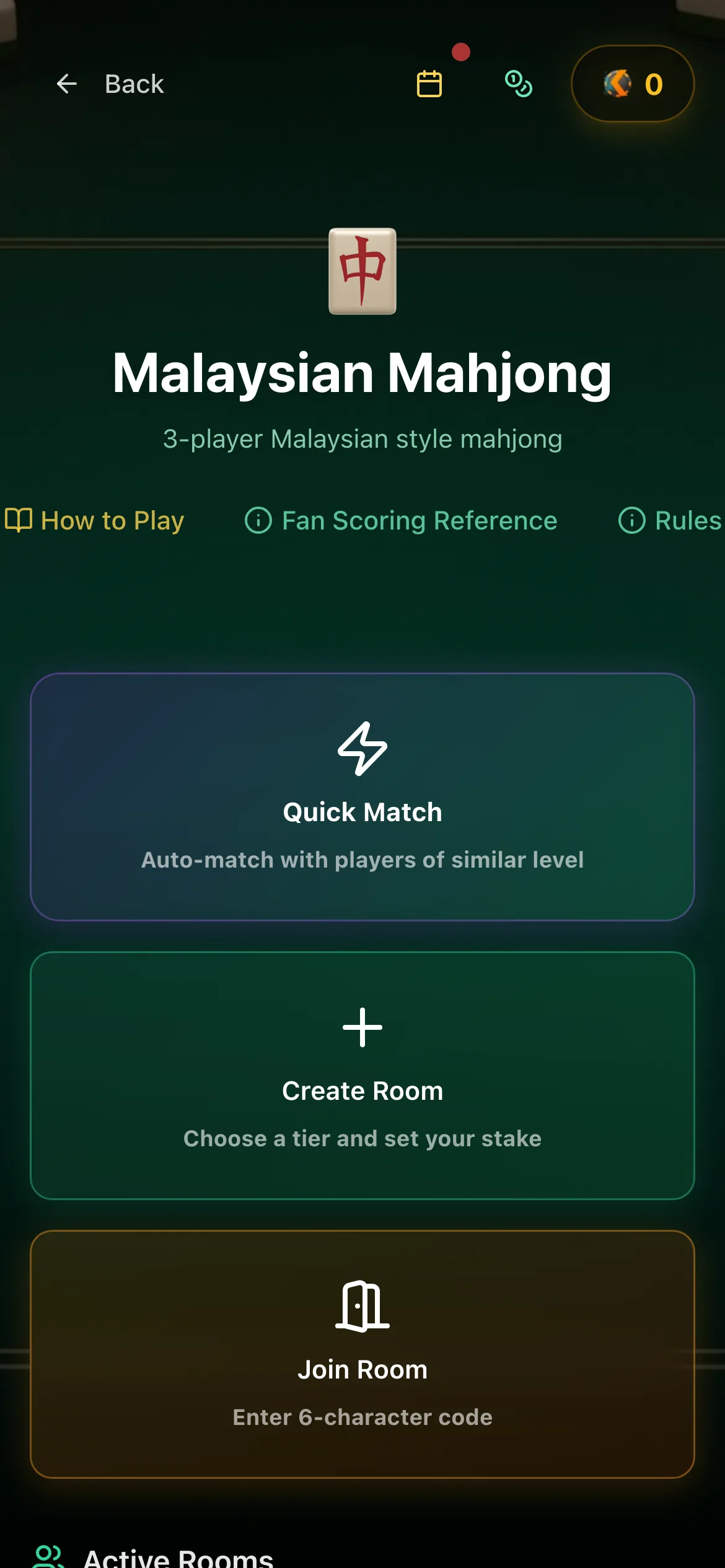
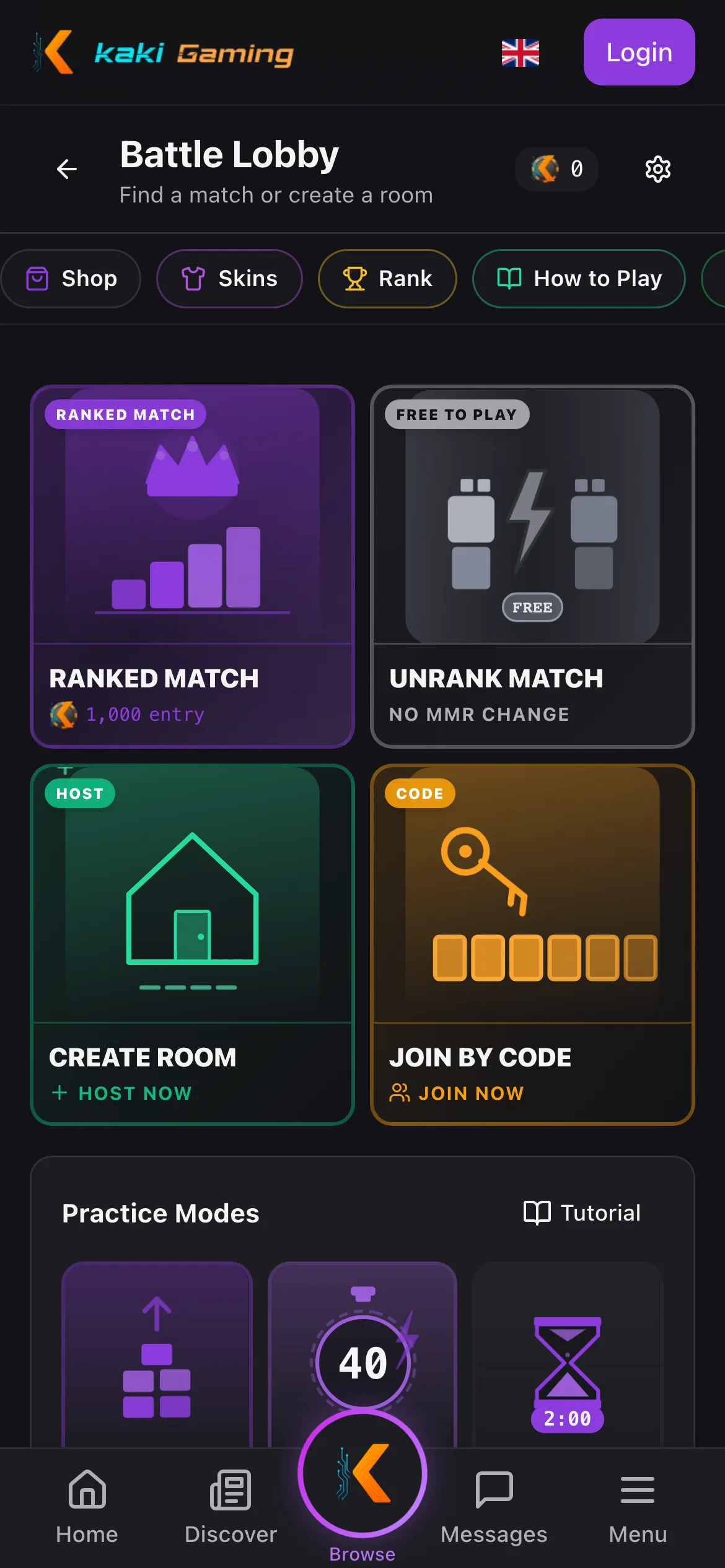
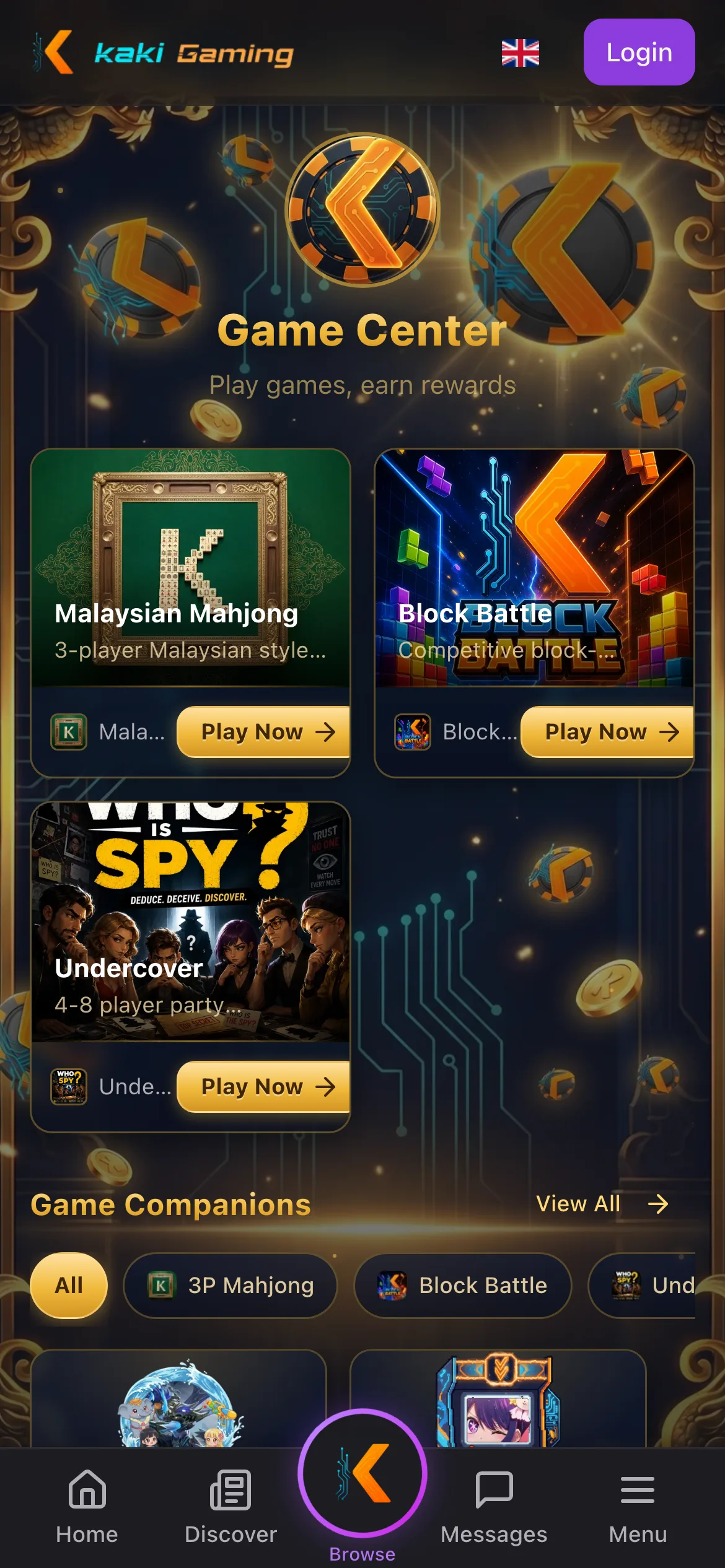
03 Kaki Gaming · Mobile
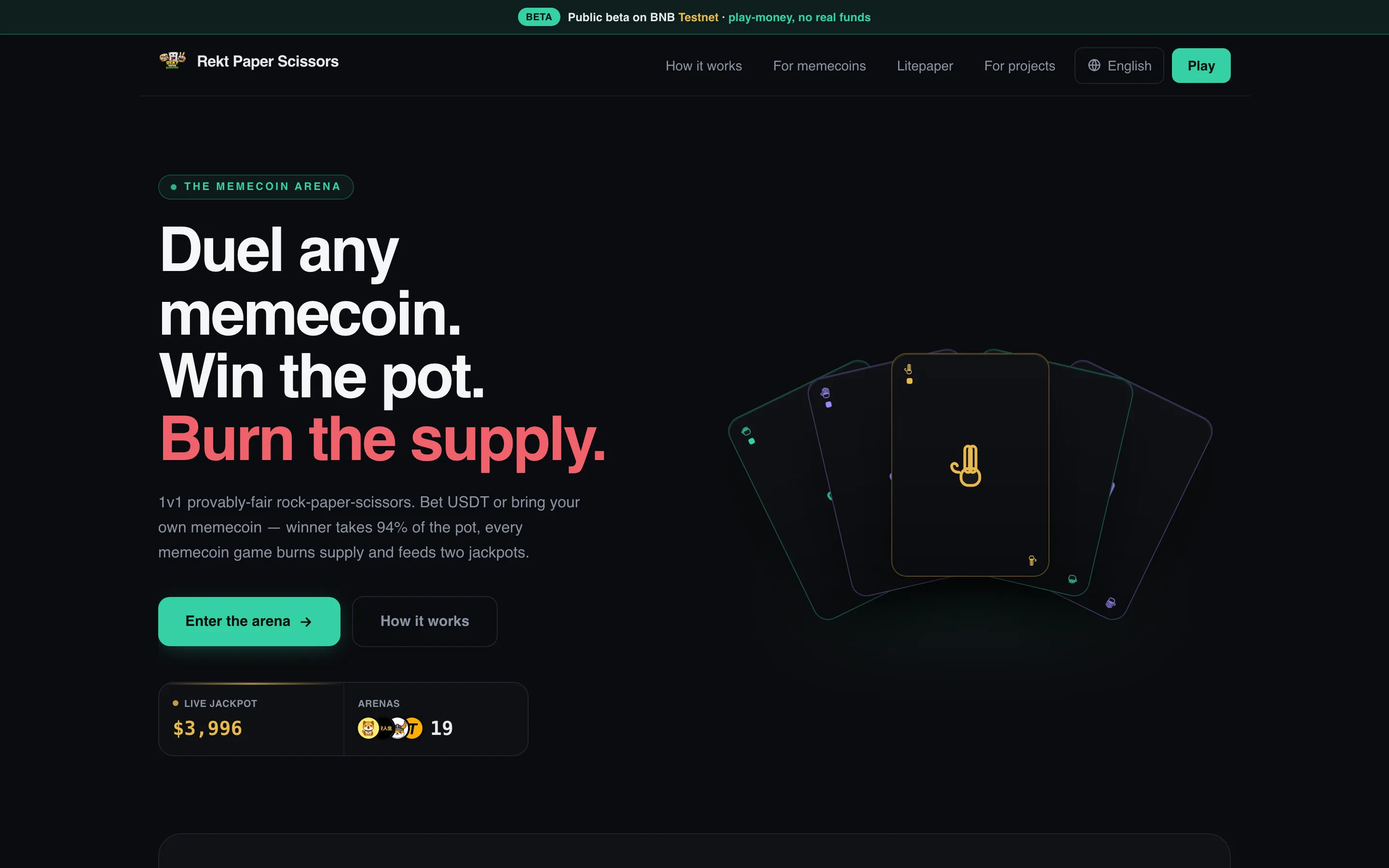
04 Rekt Paper Scissors · Desktop
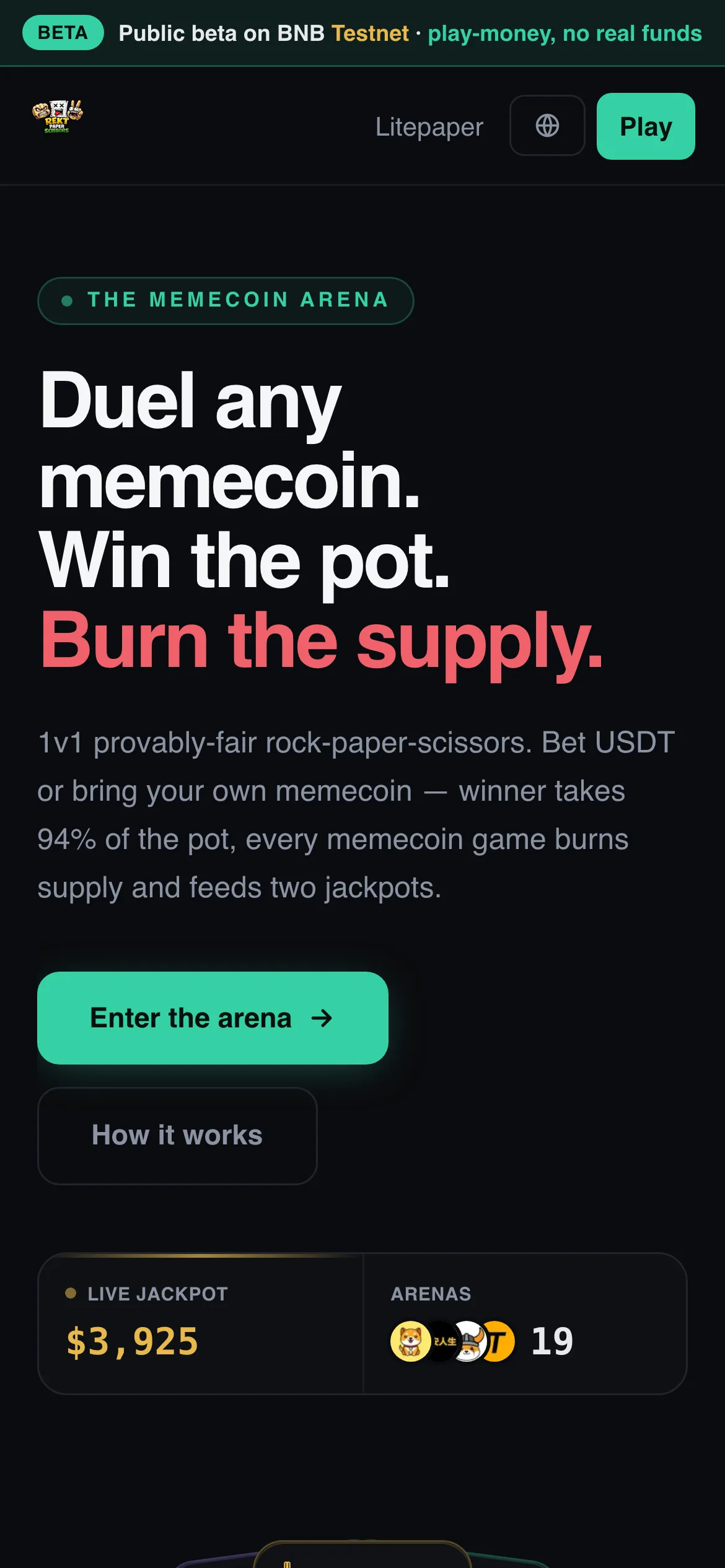
05 Rekt Paper Scissors · Mobile
The companion marketplace on a laptop: browse by game, rank and availability.
The same system re-flowed for a tablet — nothing is a separate build.
Booking, chat and credits on a phone, from the same codebase as the web app.
Memecoin arena on desktop: duel, pot and burn in one screen.
The arena on a phone — the layout adapts, the ledger stays one.
Next.js and TypeScript on the web, Supabase (Postgres) for data and auth, Vercel for hosting, Stripe and local payment rails for money, and native or cross-platform stacks for iOS and Android. We pick boring, well-supported tools so the system is maintainable after we hand it over.
Can you take over an existing site or app?+
Usually, yes. We start with a short audit — code, hosting, data, what is breaking — and tell you plainly whether it is worth extending or rebuilding. Either way you get a written recommendation before any work starts.
Do you do maintenance after launch?+
Yes. Every build ships with a handover, and we offer ongoing support for fixes, updates and small features. We run our own platforms on the same stack, so we know what breaks in production.
How do you handle payments and local rails?+
Stripe for cards and subscriptions, plus Malaysian rails such as FPX and e-wallets where the audience needs them. Payment flows are built with signed, idempotent webhooks and verified end-to-end in live mode with a real card before go-live.
Can you build with AI features?+
Yes — where it earns its place. We have shipped in-app voice with AI translation, automated workflows and internal agents. We scope AI around a concrete task and measurable output, not as a label on the homepage.
Do you build bilingual sites?+
Yes. English and Chinese is our most common pairing, and we have shipped trilingual (EN / 中文 / BM) products. Bilingual is built as architecture — routed URLs, per-language metadata, one content system — not as an afterthought translation.
A product needs an identity before it ships. Design →